
Intel Celeron G3900
4.6Editor score
2.80 GHz Base Frequency
Low Thermal Design Power
Compatible with LGA1151
This expert guide compares the top ten low power CPUs for energy efficiency and performance across various budgets and use cases including home servers.
Finding the right low power CPU is essential for building energy efficient systems that run quietly and cool without sacrificing necessary performance for everyday tasks or specialized workloads.
We compared ten real processors based on core counts, thread counts, thermal design power, cache sizes, and platform compatibility to help you find the best fit for your specific build needs.
Each pick shows detailed specs and key benefits so you can decide quickly while noting that current market prices and availability may change frequently without notice.
4.6Editor score
4.7Editor score

4.1Editor score
The following table provides a side by side comparison of all ten low power processors evaluated in this guide highlighting their key specifications and unique advantages for different user profiles.


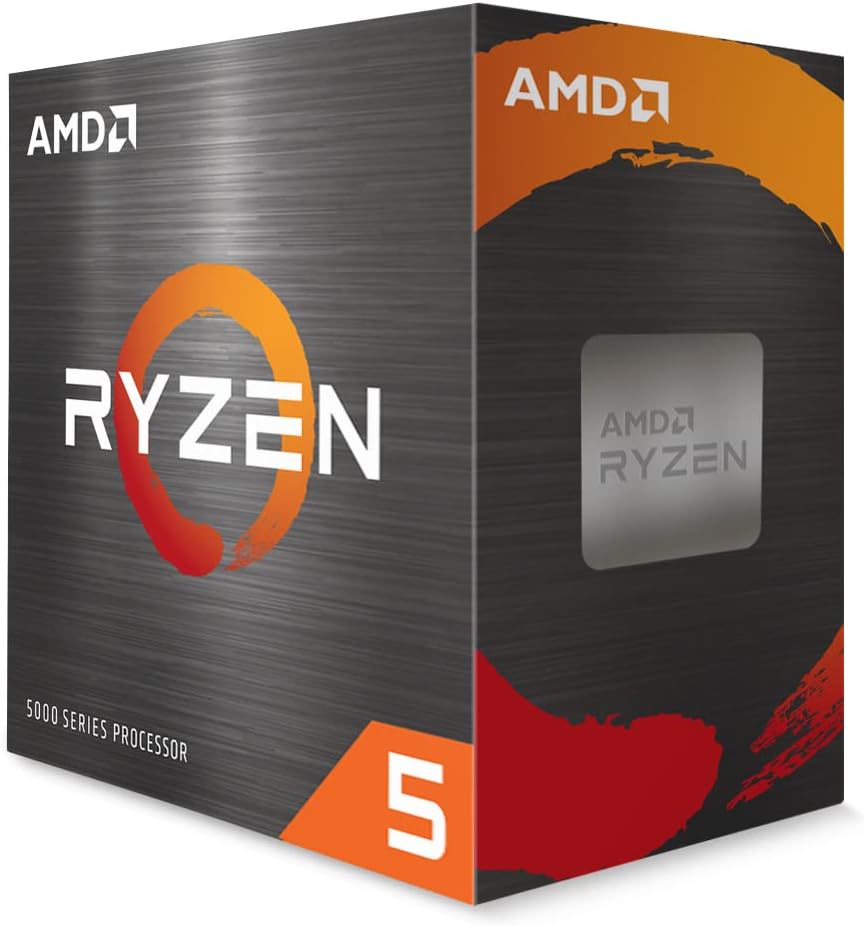
This AMD Ryzen 5 5500 processor stands out as a top contender for low power builds needing serious multi-tasking power and gaming capability without excessive heat generation.
We may earn a commission when you buy through this link, at no additional cost to you.
It delivers fast 100 plus FPS performance in popular games when paired with a discrete graphics card and offers 6 cores and 12 threads for smooth multitasking.
While it requires a dedicated GPU and is limited to the AM4 platform these trade-offs are acceptable given the unlocked clock speeds and strong cache for efficient data handling.
Gamers and power users seeking a balanced low power CPU with high performance potential should prioritize this model for their next desktop build.
The 4.2 GHz max boost clock ensures smooth frame rates even in demanding titles when combined with a compatible graphics card.
With 12 processing threads and 19 MB cache this CPU handles background tasks and rendering workloads efficiently without consuming excessive power.
We may earn a commission when you buy through this link, at no additional cost to you.
The Intel Celeron G3900 offers an entry level option for those needing a reliable low power CPU for basic office tasks web browsing and light media consumption at minimal cost.
We may earn a commission when you buy through this link, at no additional cost to you.
It runs at 2.80 GHz and features a 2M L2 cache which provides sufficient speed for everyday applications while keeping energy usage low for small form factor systems.
Although it is limited to two cores and two threads which restricts heavy multitasking this limitation is acceptable for users focusing on single task performance and simplicity.
Budget conscious buyers building a secondary PC or a simple home office setup will find this processor delivers great value for basic computing needs.
This dual-core processor delivers enough speed for word processing spreadsheets and web browsing without draining your wallet or electrical bill.
The Skylake architecture ensures efficient power usage making it ideal for systems that run continuously or in energy conscious environments.
We may earn a commission when you buy through this link, at no additional cost to you.
This Mini-ITX motherboard bundles a powerful quad-core 8-thread low power CPU delivering up to 3.9GHz turbo frequency and 15W TDP making it perfect for home servers and firewalls.
We may earn a commission when you buy through this link, at no additional cost to you.
It outperforms mainstream N100 chips with superior performance for NAS and network security applications while supporting virtualization with VT-x and VT-d for smooth efficient operation.
Despite a known sleep mode bug and higher price the combination of dual 2.5GbE LAN ports multiple storage expansion options and compact industrial design justifies the investment.
Server admins and networking enthusiasts looking for an all-in-one low power solution should choose this board for reliable compact virtualization and storage capabilities.
The 8th generation U-series CPU delivers turbo speeds up to 3.9GHz ensuring fast data processing for virtual machines and NAS applications.
Dual 2.5GbE network ports provide stable fast connections ideal for high throughput multimedia streaming and professional network security appliances.
We may earn a commission when you buy through this link, at no additional cost to you.
The Intel Core i7-6700T is a trusted low power CPU that brings quad core performance to energy efficient builds ideal for silent workstations and media centers.
We may earn a commission when you buy through this link, at no additional cost to you.
Its 2.8GHz base frequency and T-series designation indicate optimized efficiency allowing strong multi-threaded performance without excessive heat output in compact chassis.
Buyers should note that tray versions might not include a stock cooler and being an older generation may lack modern instruction sets but the core performance remains solid.
Users needing a reliable quad core low power CPU for sustained workloads will appreciate the stability and efficiency of this Intel processor.
The T-series designation ensures the CPU is optimized for lower power consumption and heat output compared to standard desktop processors.
Purchasing the tray version often reduces cost while still delivering the same core specifications for those who already have cooling solutions.
We may earn a commission when you buy through this link, at no additional cost to you.
The Intel I-7 2600S offers a low power alternative for older systems needing multi-threaded performance with a focus on efficient data transfer speeds and cache management.
We may earn a commission when you buy through this link, at no additional cost to you.
It features a higher-performance more efficient cache subsystem optimized for industry leading multi-threaded games and data-intensive applications with low latency memory controller.
While it only supports DDR3 memory and is an older model the design enables data transfer speeds up to 25.6 GB/sec which remains useful for specific legacy workloads.
Those maintaining legacy servers or workstations requiring low power multi-threaded processing should consider this processor for its robust cache and bandwidth capabilities.
The memory controller enables three channels of DDR3 1066 MHz memory delivering amazing performance for data-intensive applications.
A higher-performance cache subsystem reduces latency and increases throughput for complex multi-threaded tasks and gaming.
We may earn a commission when you buy through this link, at no additional cost to you.
AMD Athlon 200GE delivers responsive reliable computing for everyday users with integrated Radeon Vega 3 Graphics making it suitable for light gaming and smooth video playback.
We may earn a commission when you buy through this link, at no additional cost to you.
It includes 2 cores and 4 processing threads along with a near-silent cooler and 5MB cache supporting DDR4-2667 on the Socket AM4 platform for future upgradability.
While limited to two cores the integrated graphics allow for a discrete GPU free build and the platform can be upgraded to Ryzen later if more power is needed.
Casual users and home office builders wanting an all-in-one low power CPU with decent graphics will find this Athlon processor a strong budget choice.
Radeon Vega 3 Graphics provide smooth videos and light gaming without needing a separate discrete graphics card.
Socket AM4 platform-upgradable to Ryzen ensures you can upgrade to a more powerful CPU later without changing the motherboard.
We may earn a commission when you buy through this link, at no additional cost to you.
The Intel Celeron G5900 provides a solid foundation for entry-level low power builds with a 3.4 GHz base frequency and Intel 400 Series chipset compatibility.
We may earn a commission when you buy through this link, at no additional cost to you.
It features 2 cores and 2 threads with support for Intel Optane Memory and DDR4 memory ensuring efficient data handling and reliable performance for everyday tasks.
Although it lacks hyperthreading and is a basic dual-core processor the modern platform support and reasonable TDP make it a viable choice for budget workstations.
Users looking for a low power CPU with modern features like Optane support should consider this G5900 for simple reliable desktop computing.
Compatible with Intel 400 series chipset based motherboards and supports Intel Optane Memory for improved system performance.
With a 58W TDP and 3.4 GHz clock this processor balances performance and efficiency for standard office workloads.
We may earn a commission when you buy through this link, at no additional cost to you.
Intel Celeron G4900 offers a reliable dual core option for low power desktops with a 3.1 GHz base frequency and thermal solution included in the box.
We may earn a commission when you buy through this link, at no additional cost to you.
It is compatible with Intel 300 Series chipset based motherboards and features a 54W TDP ensuring cool operation and energy efficiency for home and office environments.
While it only provides 2 cores and 2 threads without hyperthreading the solid base clock and included cooler make it a straightforward choice for basic tasks.
Buyers needing a simple low power CPU with all necessary components included will appreciate the ease of use and efficiency of this processor.
The package includes a thermal solution so you have everything needed for immediate installation and cooling.
A 54W TDP ensures the processor runs cool and consumes minimal power for energy savings over time.
We may earn a commission when you buy through this link, at no additional cost to you.
The Intel Celeron G3900 SR2HV is a specialized low power CPU that supports ECC memory making it suitable for small server and workstation tasks requiring data integrity.
We may earn a commission when you buy through this link, at no additional cost to you.
It operates at 2.80 GHz with 51 Watts TDP and includes integrated Intel HD Graphics 510 GPU providing basic graphics capabilities for headless or light desktop use.
Note that this CPU only version does not include paste or fan which is a trade-off for users needing ECC support at a low cost point.
Enthusiasts building low power workstations or servers needing error correcting memory support will find this variant offers unique value among budget options.
Supports ECC Memory ensuring data integrity which is critical for specific server and workstation applications.
The 51 Watts TDP rating keeps power consumption and heat output very low for small form factor builds.
We may earn a commission when you buy through this link, at no additional cost to you.
Intel Celeron G5905 brings a higher 3.5GHz base frequency to entry-level low power builds with full boxed packaging and LGA1200 socket compatibility.
We may earn a commission when you buy through this link, at no additional cost to you.
This modern architecture processor delivers reliable performance for everyday computing tasks while keeping power usage in check for efficient operation in various systems.
While it is limited to basic dual core performance without hyperthreading the higher clock speed ensures snappy response for single-threaded applications.
Users needing a straightforward low power CPU with modern platform support and boxed convenience will find this model a practical choice for basic desktops.
The 3.5GHz base frequency offers faster clock speeds than other budget options for better single-threaded performance.
Compatible with FCLGA1200 plugs ensuring you can use it on newer motherboards with updated features and connectivity.
We may earn a commission when you buy through this link, at no additional cost to you.
Selecting the right low power CPU involves balancing performance needs against energy efficiency and platform compatibility to ensure optimal results for your specific system goals.
Thermal Design Power or TDP indicates the maximum amount of heat a CPU generates and how much cooling is required. Lower TDP values mean less heat and lower electricity bills which is ideal for silent systems or small form factor cases.
Look for TDP ratings between 35W and 65W for true low power efficiency without sacrificing too much performance for standard desktop workloads.
More cores and threads allow your computer to handle multiple tasks simultaneously. For basic tasks two cores may suffice but multitasking benefits from four or more cores.
Choose at least four cores for modern software support and smoother performance in multitasking scenarios while keeping power consumption low.
Clock speed measured in GHz determines how fast the CPU processes instructions. Higher base speeds ensure consistent performance while boost speeds provide temporary power for demanding tasks.
Aim for a base frequency of at least 3GHz to maintain responsive performance during everyday computing and productivity tasks.
The CPU socket must match your motherboard such as LGA1151 or AM4. This determines not only compatibility but also future upgrade paths and available features like PCIe lanes.
Verify the socket type and chipset support on your motherboard before purchasing to avoid incompatibility and ensure proper functionality.
Integrated graphics allow the CPU to display video without a dedicated graphics card. This is essential for low power builds where cost and space are limited.
Select a processor with integrated graphics if you do not plan to use a separate GPU for display output or light gaming.
Cache memory stores frequently used data close to the CPU cores for faster access. More cache means faster load times and improved application responsiveness.
Look for larger L3 cache sizes to improve performance when running complex applications or handling large datasets.
Memory support dictates the type and speed of RAM you can use. DDR4 is common and offers better bandwidth and efficiency than older standards.
Ensure the CPU supports the RAM speed and type you plan to use to maximize data throughput and system stability.
Power efficiency refers to how much work the CPU does per watt of energy consumed. Efficient CPUs reduce heat and electrical costs over time.
Choose models known for high efficiency ratings especially if your system will run 24 7 or in environments where power conservation is key.
Begin by installing the processor gently in the correct socket on your motherboard ensuring the alignment marks match exactly to avoid damaging the pins.
Apply a thin layer of thermal paste on the CPU surface before attaching the cooler to ensure proper heat transfer and prevent overheating.
Keep your system clean by periodically dusting out fans and vents to maintain airflow and extend the lifespan of your CPU and other components.
A low power CPU is a processor designed to consume less electrical power and generate less heat than standard models. These chips are ideal for quiet compact systems and reduce energy costs over time.
It depends on the model. Some low power CPUs like the AMD Ryzen 5 5500 handle gaming well with a discrete graphics card while entry-level chips are better for casual tasks.
Many low power CPUs include integrated graphics which allows basic video output without a separate graphics card. This is perfect for budget builds or home servers.
Typically they use between 35W and 65W of power. This is significantly less than high performance processors which can use over 100W.
Yes if you keep the same motherboard platform. Check compatibility with your motherboard to ensure the next CPU fits the same socket.
Not necessarily. Many modern low power chips offer strong single and multi-threaded performance while keeping efficiency high. They are fast enough for most daily tasks.
The AMD Ryzen 5 5500 and Mini-ITX Motherboard with Quad-Core lead the list with balanced performance and efficiency for different use cases.
Consider your specific needs like gaming or virtualization before deciding to ensure the chosen processor meets all requirements effectively.
Always check current prices and availability as market conditions may change frequently for these and other components.