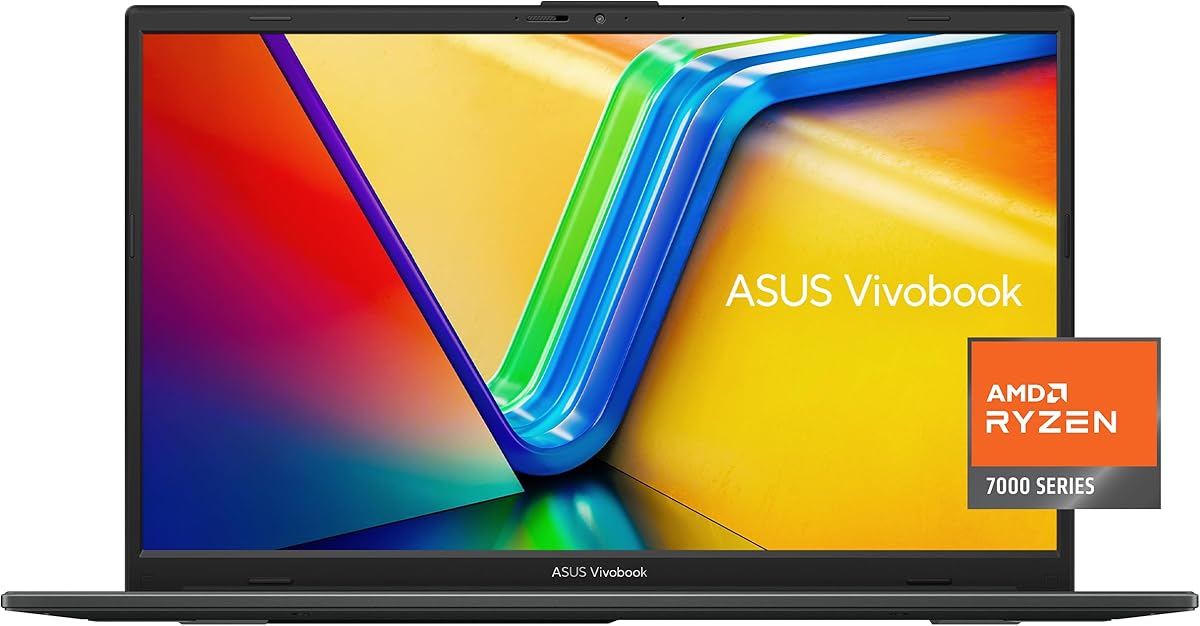
ASUS Vivobook Go 15.6" FHD Slim Laptop
4.3Editor score
AMD Ryzen 3 7320U Processor
8GB DDR5 RAM for Multitasking
Military Grade Durability Standards
Finding the right laptop for school is crucial for academic success and daily productivity. Students need devices that balance performance, portability, and durability without breaking the bank. ASUS offers a wide range of options tailored to meet these specific educational demands effectively.
We analyzed ten distinct models from the ASUS lineup to identify the most suitable choices for learners. Our evaluation focuses on processing power, screen quality, battery endurance, and build resilience. This list covers various price points and configurations to suit different student needs and budgets today.
Each pick highlights key strengths and potential limitations to help you make an informed decision. You will find detailed breakdowns of specifications, real-world usability, and specific use cases for every model. Please note that availability and pricing can change frequently so always verify details before purchasing.
4.3Editor score

4.8Editor score

4.5Editor score
As an Amazon Associate we earn from qualifying purchases.
This side-by-side comparison highlights the key specifications and unique selling points of each ASUS laptop model. By reviewing the processor type, memory capacity, storage options, and display quality, you can quickly identify which device aligns best with your academic requirements and personal preferences.


This model stands out as the most cost-effective option in the ASUS lineup for students who need reliability without high costs. It holds a solid 4.3 star rating from users who appreciate its durability and everyday performance capabilities for school tasks.
We may earn a commission when you buy through this link, at no additional cost to you.
The AMD Ryzen 3 7320U processor provides essential speed for web browsing and document editing while the 8GB DDR5 RAM ensures smooth multitasking. Its military grade build quality means it can withstand the rigors of daily commuting and bag handling better than many competitors.
However the 128GB storage limit might require reliance on cloud services for larger files. The display is functional but lacks the vibrancy found in higher-end models. These trade-offs are acceptable given the low entry price for budget conscious learners.
Students seeking a basic machine for writing papers and attending online classes should buy this one. It offers a balanced foundation for academic work without unnecessary bloat or expense.
The military grade testing ensures the chassis can handle drops and bumps common in student environments.
With 8GB DDR5 RAM you can run multiple browser tabs and word processors simultaneously without slowdowns.
We may earn a commission when you buy through this link, at no additional cost to you.
This version improves on the base model by offering significantly more storage and a slightly more powerful processor. Users rate it highly for its balance of speed and practicality in a standard 15.6 inch form factor.
We may earn a commission when you buy through this link, at no additional cost to you.
The Ryzen 5 7520U delivers better multi-thread performance than the Ryzen 3 allowing for smoother handling of heavier research loads or light media editing. The 512GB SSD provides ample room for projects without needing external drives.
While the RAM remains at 8GB the system manages typical student tasks efficiently. The main limitation is battery endurance under heavy use which may require a charger for all-day classes.
Choose this if you need more local storage for assignments and want a faster CPU for multitasking. It is a sensible upgrade for those who found the base model limiting.
The 512GB SSD allows you to store large media files and software locally without cloud dependency.
Wi-Fi 6E ensures stable internet connections in crowded campus networks for video calls.
We may earn a commission when you buy through this link, at no additional cost to you.
This device earns the Editor's Choice badge due to its forward-looking architecture and impressive user satisfaction. It represents the new wave of student laptops designed for AI tasks and extended unplugged use.
We may earn a commission when you buy through this link, at no additional cost to you.
The Snapdragon X processor paired with 16GB RAM delivers smooth performance while optimizing power consumption for all-day battery life. The Copilot+ PC features offer advanced tools for summarizing notes and searching content across apps.
Some users might need time to adapt to the Qualcomm ecosystem but the performance gains are significant. The display resolution is higher than standard offering sharper text for reading research papers.
Students looking for future-proof technology and maximum mobility should buy this laptop. It is the most versatile option for those who value battery life above raw graphical power.
Copilot+ features let you interact with your content in new ways like summarizing long documents instantly.
Efficient chipset design supports long usage times between charges perfect for long study sessions.
We may earn a commission when you buy through this link, at no additional cost to you.
This model is designed for those who prioritize portability and low cost above all else. It sits at the entry-level of the ASUS range with basic specs that suit light usage scenarios only.
We may earn a commission when you buy through this link, at no additional cost to you.
The Intel Celeron processor and 4GB RAM are sufficient for basic document editing and web browsing but may struggle with heavy multitasking. The 128GB eMMC storage is slower than SSDs found in other models.
Users appreciate its thin design which makes it easy to carry in a backpack. However the performance limitations mean it is not suitable for demanding software or multiple browser tabs.
Buy this only if you need a very cheap device for simple tasks and have access to cloud storage. It is not recommended for primary computing needs beyond basic writing.
The slim profile reduces bulk significantly making it ideal for students carrying heavy books already.
USB-C charging simplifies the power setup and reduces the number of cables needed in a bag.
We may earn a commission when you buy through this link, at no additional cost to you.
This laptop offers a spacious 16 inch display that provides excellent workspace for split screen applications. It retains the efficiency of the Snapdragon X processor while delivering more visual area for productivity.
We may earn a commission when you buy through this link, at no additional cost to you.
The 16:10 aspect ratio allows you to see more vertical content which is beneficial for coding and document work. With 16GB RAM you can run complex workflows without performance bottlenecks during research or analysis.
The increased size makes it less convenient to carry constantly compared to 14 inch models. If you primarily work at a desk or library this screen size offers a significant productivity boost.
Students who need more screen space for detailed work should buy this unit. It balances performance and display quality effectively for desktop replacement scenarios.
The 16 inch screen reduces eye strain during long reading sessions by providing larger text and content.
More screen area allows side by side window use which speeds up research and writing tasks.
We may earn a commission when you buy through this link, at no additional cost to you.
This configuration stands out with its generous storage and professional OS features tailored for students managing large data sets. It includes a docking hub which simplifies peripheral connections for home office setups.
We may earn a commission when you buy through this link, at no additional cost to you.
The Intel Core 5 120U provides robust processing power while the 1TB SSD ensures you never run out of space for media or large datasets. Windows 11 Pro adds useful tools like BitLocker and Remote Desktop.
Some users may find Windows Pro features unnecessary for basic schooling tasks. The added cost might be better spent on cloud storage if local capacity is not a primary concern.
Students needing a lot of local storage and professional features should buy this laptop. It is a versatile machine for those who plan to use their device for work as well as study.
The 1TB drive allows storage of thousands of documents and high resolution images without external drives.
Windows 11 Pro offers enhanced security and management features ideal for business or engineering students.
We may earn a commission when you buy through this link, at no additional cost to you.
This model strikes a reliable balance between performance and affordability for general student needs. The combination of 16GB RAM and a modern Core processor ensures it remains usable for several years.
We may earn a commission when you buy through this link, at no additional cost to you.
Users report smooth operation for typical coursework and media consumption. The silver finish provides a professional look while the build quality remains consistent with previous ASUS standards.
Battery performance is adequate but not exceptional compared to newer ARM based chips. For most classroom settings this device performs well without significant issues.
Students looking for a dependable standard laptop should buy this option. It offers solid performance and storage without unnecessary complexity or high cost.
16GB RAM ensures you can keep multiple programs open while studying without lag.
Wi-Fi 6 support ensures fast speeds on campus networks for downloads and streaming.
We may earn a commission when you buy through this link, at no additional cost to you.
This premium option is designed for students tackling heavy computational tasks or engineering simulations. The Core i9 processor and 32GB RAM provide elite level power that surpasses typical student requirements.
We may earn a commission when you buy through this link, at no additional cost to you.
The included cooling bundle helps manage heat during intensive workloads ensuring consistent performance. A fingerprint reader adds a layer of security for protecting sensitive academic data effectively.
The weight and size make it less convenient for carrying to lectures daily. However for power users who need desktop-level performance this machine delivers excellent results.
Students requiring maximum processing power for specialized software should buy this laptop. It is an investment in capability for those with demanding academic or creative goals.
The Core i9 handles complex simulations and rendering tasks that would slow down standard laptops.
Built-in biometric login protects your files quickly without needing complex passwords.
We may earn a commission when you buy through this link, at no additional cost to you.
This model integrates a dedicated GPU with advanced AI capabilities making it suitable for students who create media content. The Ryzen AI 7 processor supports demanding tasks like video editing and graphic design.
We may earn a commission when you buy through this link, at no additional cost to you.
The 16GB RAM and Radeon graphics allow for smoother rendering and playback of high resolution media. Copilot+ features assist in organizing creative assets and automating repetitive content creation steps.
The unique finish adds a touch of style but may show fingerprints more easily. It is a strong contender for those in creative majors needing more than basic productivity.
Students involved in art or media should buy this laptop. It offers the best balance of graphics power and portability in the ASUS lineup.
Dedicated graphics enable smoother timelines in video editing software for student projects.
Ryzen AI NPU accelerates background tasks allowing more focus on content creation.
We may earn a commission when you buy through this link, at no additional cost to you.
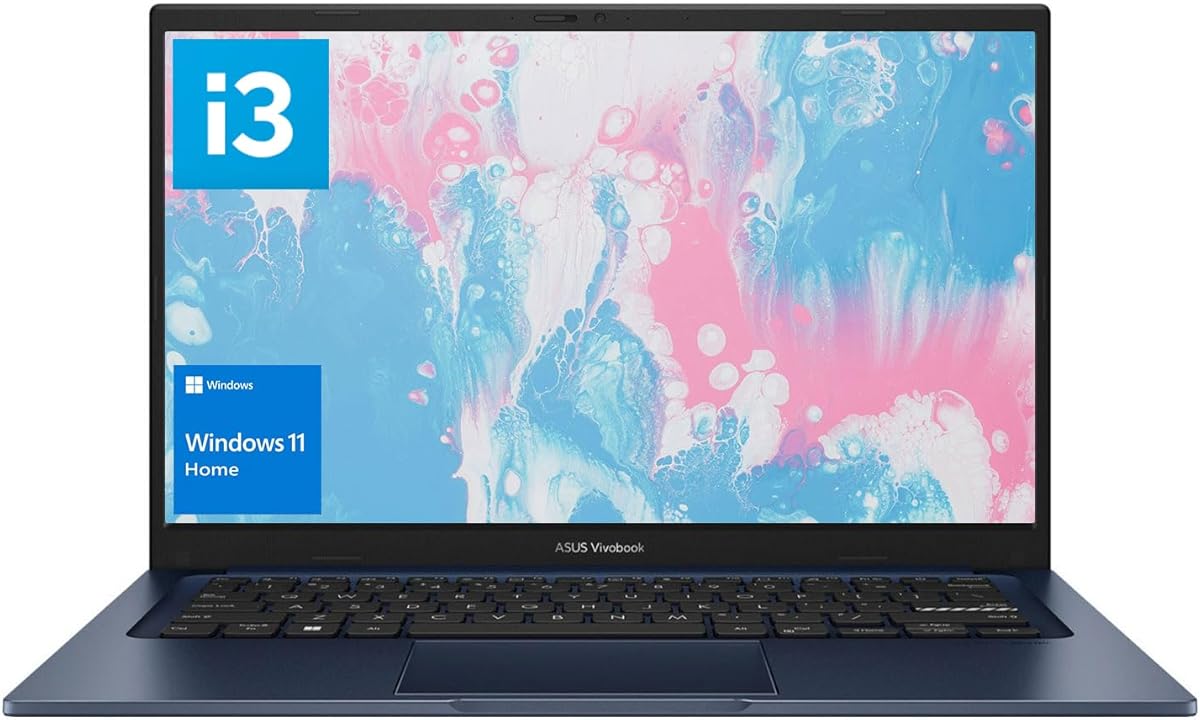
This model offers a compelling mix of specs that often outweigh its price point for general students. It provides 16GB RAM and 512GB storage which are usually reserved for more expensive models.
We may earn a commission when you buy through this link, at no additional cost to you.
The Core i3 processor handles daily tasks well but is not designed for intensive workloads. It is ideal for students who prioritize memory and storage capacity over raw CPU speed.
The 14 inch form factor makes it easy to carry around campus without sacrificing screen real estate too much. It is a reliable choice for writing and web-based studies.
Students looking for maximum specs per dollar should buy this option. It delivers essential performance features without the high cost of premium chips.
16GB RAM allows for better multitasking than many other budget machines in this class.
The 14 inch chassis fits easily in smaller bags for students who commute daily.
We may earn a commission when you buy through this link, at no additional cost to you.
Selecting the right laptop involves balancing your academic needs with practical constraints like budget and portability. This guide outlines the key factors to consider before making your purchase.
The processor determines how quickly your laptop handles tasks. For general studies an Intel Core i3 or AMD Ryzen 3 is sufficient while engineers might need i5 or i9 options.
Prioritize at least an i3 or Ryzen 3 for future-proofing your device against software updates.
RAM is critical for running multiple applications at once. 8GB is the minimum for smooth operation but 16GB is recommended for heavy multitasking and future needs.
Always choose 16GB RAM if your budget allows to ensure long term usability.
Solid State Drives provide fast boot times and app loading. Aim for at least 512GB to store documents and media locally without relying on cloud services.
512GB is the sweet spot for students balancing storage needs with cost.
Look for Full HD resolution to reduce eye strain during long reading sessions. Higher resolutions like WUXGA provide sharper text for detailed research work.
Prioritize higher resolution screens for better visual clarity and health.
A lighter laptop is easier to carry between classes. 14 inch models are generally lighter than 15 or 16 inch ones while still offering a usable screen size.
Choose a 14 inch or lightweight 15 inch model if you carry your laptop daily.
A long battery ensures you stay productive without finding a power outlet. Models with efficient processors often last longer on a single charge.
Check battery claims and reviews to ensure it lasts a full day of classes.
Student laptops face wear and tear in backpacks. Models with military grade certification are tested to withstand drops and harsher environments.
Look for durability certifications to protect your investment from daily handling.
Ensure the laptop has enough USB ports for peripherals and Wi-Fi 6 for fast campus internet. HDMI ports are useful for presentations to projectors.
Verify port availability to avoid needing expensive adapters for your devices.
To maximize battery life avoid leaving your laptop plugged in constantly. Use the power settings to manage background apps and screen brightness effectively.
Regularly clean the keyboard and screen with a microfiber cloth to remove dust and oils. Ensure ports are free from debris to maintain good connections for chargers.
Update your operating system regularly to benefit from security patches and performance improvements. Install antivirus software to protect your academic work from threats.
For most students an Intel Core i3 or AMD Ryzen 3 is sufficient. If you plan on running specialized software choose an i5 or Ryzen 5 to ensure smooth performance.
8GB is the minimum for basic tasks but 16GB is recommended. This allows you to run multiple browser tabs and applications simultaneously without slowdown.
A 15 or 16 inch screen offers more workspace for multitasking. However a 14 inch model is more portable. Choose based on how often you carry the laptop.
Many ASUS models meet military grade durability standards. They are designed to withstand drops and bumps. However using a protective case adds extra security.
Most models offer between 6 to 12 hours depending on usage. Efficient processors like Snapdragon or newer Intel chips tend to last longer on a single charge.
It depends on the specific model. Some laptops have soldered RAM while others have slots. Check the product details to see if upgrades are supported.
The ASUS lineup offers a wide range of options suitable for every student need. From budget-friendly models to powerful machines for engineers there is a fit for everyone.
Prioritize RAM and storage to ensure your device lasts through your degree. Portability and battery life are also key factors for daily campus use.
Remember to check current pricing and availability before buying. These models offer strong value and reliable performance for academic success.