
Verifone VX520
3.5Editor score
Dial and Ethernet connectivity
EMV and NFC compliance
Smart card reader support
This guide compares the top card readers for vending machines, evaluating connectivity, payment support, durability, and ease of integration for modern
Modern vending machines require reliable card readers to accept cashless payments. A good reader supports EMV chips, contactless wallets, and magnetic stripes while connecting seamlessly to your machine’s control board.
We evaluated ten products based on payment flexibility, communication protocols like MDB or Pulse, security certifications, and remote management capabilities. Our list covers dedicated vending units and general-purpose readers suitable for kiosks.
Each pick shows key specs, pros, cons, and ideal use cases to help you choose. Prices and availability change frequently, so verify details on the product page before purchasing your next cashless upgrade.
3.5Editor score
3.8Editor score

4.0Editor score
The following table compares all ten products side by side. Use this overview to quickly identify which reader fits your machine’s protocol, security needs, and deployment environment.


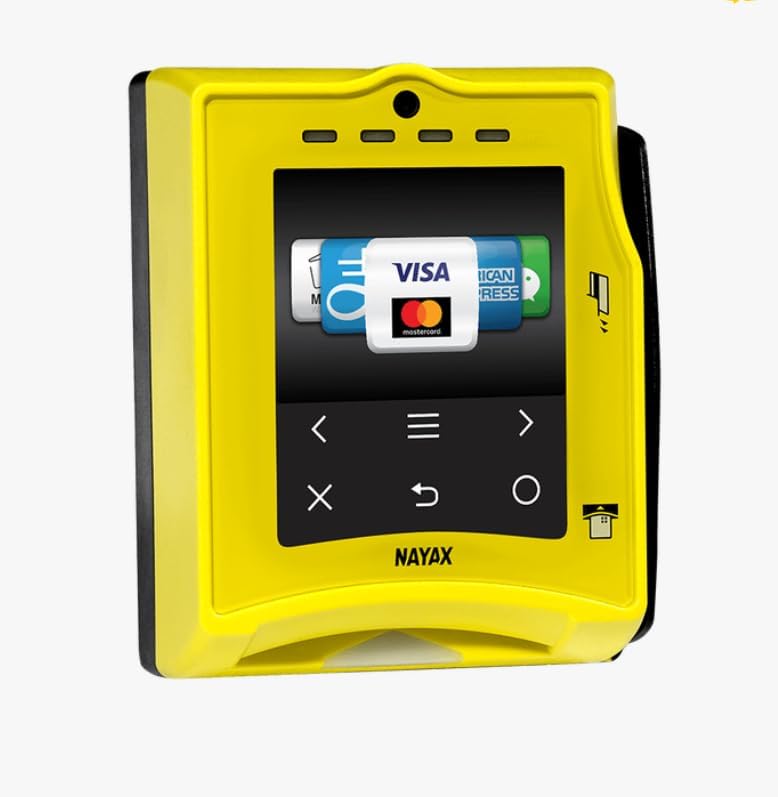
The VPOS Touch is a top-rated card reader built for modern vending machines. With a 3.8 star rating, it stands out for accepting EMV chips, NFC wallets, and magnetic stripes in one unit.
We may earn a commission when you buy through this link, at no additional cost to you.
Its plug-and-play connectivity includes a 4G LTE antenna and MDB harness, eliminating the need for separate Wi-Fi or Ethernet. Real-time telemetry lets you track inventory and sales remotely through the Nayax suite.
While the activation process takes up to ten days, the device's security certifications and versatile compatibility justify the wait. It integrates smoothly with MDB or Pulse protocol machines like car washes and kiosks.
Choose this reader if you want a secure, all-in-one cashless solution. Its robust connectivity and remote management make it ideal for operators managing multiple machines.
The included 4G LTE antenna ensures reliable transactions even in remote locations without existing internet infrastructure.
Full PCI DSS compliance and EMV Level 1 and 2 certifications protect both operators and customers from data breaches.
We may earn a commission when you buy through this link, at no additional cost to you.
The Nayax VPOS Touch offers a premium experience with a customizable 2.4-inch color touchscreen. It accepts credit cards, mobile wallets, and QR codes while supporting MDB and Pulse protocols for unattended machines.
We may earn a commission when you buy through this link, at no additional cost to you.
Built with Dragontrail glass and an IP55 rating, it withstands shocks and harsh environments. Real-time telemetry and marketing tools like loyalty programs help operators boost engagement and monitor performance remotely.
Although customer ratings are not listed, its anti-vandal durability and remote update capabilities suggest reliability. Installation is plug-and-play, simplifying setup for arcade or laundromat deployments.
Pick this reader if you need a rugged unit with branding flexibility. Its marketing tools and durable design make it suitable for high-traffic public spaces.
Built-in tools support loyalty programs, discounts, and punch cards to encourage repeat customer visits.
The IP55 rating and shock detection ensure consistent performance in outdoor or high-wear indoor locations.
We may earn a commission when you buy through this link, at no additional cost to you.
This Generic reader focuses on simplicity with a clear activation process. Inside the box, a yellow instruction sheet guides you through steps that take up to ten business days after submission.
We may earn a commission when you buy through this link, at no additional cost to you.
While details on protocols or security are not listed, the product targets vending machines specifically. The activation requirement suggests it connects to a central service for payment processing.
The trade-off is a delay before the device becomes operational. However, this ensures proper registration and compliance for your payment transactions.
Choose this if you prefer a guided setup and can wait for activation. It suits operators needing a basic cashless add-on without complex integration.
The included instruction sheet walks you through each step to ensure correct registration before first use.
We may earn a commission when you buy through this link, at no additional cost to you.
The Symcode reader provides three modes: swipe magnetic, insertable chip, and contactless NFC. It connects via USB and works as a keyboard emulator or passive software reader for membership systems.
We may earn a commission when you buy through this link, at no additional cost to you.
Support for SLE4442 and CPU chip cards makes it flexible for custom projects. However, it reads data without writing capabilities, limiting its use to identification or simple checkout tasks.
Its low rating suggests potential reliability concerns or setup complexity. Operators should test compatibility with their POS before deploying it for high-volume transactions.
This reader suits development or low-volume kiosks needing multi-card support. Its hardware flexibility is useful if you control the software interface.
Switch between magnetic swipe, chip insertion, and contactless NFC to match different card types.
We may earn a commission when you buy through this link, at no additional cost to you.
The Verifone VX520 supports dial-up, Ethernet, and smart card transactions. It handles EMV compliance and contactless payments, making it a stable choice for small vending setups.
We may earn a commission when you buy through this link, at no additional cost to you.
As a budget option, it lacks modern cellular features but offers reliable connectivity where networks are available. Its brand reputation ensures security standards are met for card processing.
Operators in areas with existing phone or Ethernet lines will find this cost-effective. However, remote sites may struggle without additional adapters.
Pick this reader if you need trusted EMV compliance at a lower cost. It works well where traditional communication lines are already present.
Supports dial and Ethernet options to fit existing infrastructure without costly upgrades.
We may earn a commission when you buy through this link, at no additional cost to you.
This unit includes an SDK and software CD for developers. It reads magstripes, SLE4442 chips, and Mifare RFID, supporting membership or check-in systems with deep development options.
We may earn a commission when you buy through this link, at no additional cost to you.
While it writes to certain cards, the magstripe function is read-only. Users must install the provided software and check the guide file for setup on POS or kiosk machines.
The technical focus means beginners may need guidance, but it offers flexibility for custom applications. Contacting support is recommended if you are unfamiliar with operation.
Choose this for membership or custom check-in projects. Its SDK support and card variety suit developers building tailored solutions.
The included SDK and testing card allow deep integration with custom membership or POS software.
We may earn a commission when you buy through this link, at no additional cost to you.
The E-seek M-260 reads government IDs and 2D barcodes with one device. It connects via USB or RS-232, with a bottom connector for integrated kiosk mounting and a six-foot smart cable included.
We may earn a commission when you buy through this link, at no additional cost to you.
A 4.0 rating suggests dependable performance for authentication or POS tasks. The dual interface ensures compatibility with older or modern host systems without needing adapters.
Its premium price is offset by reliability and flexibility for ID or card data capture. Ensure your software supports the transfer protocol before purchase.
Select this for secure ID verification or specialized kiosks. Its barcode and card scanning combine convenience and data integrity.
USB and RS-232 ports ensure compatibility with a wide range of host devices and legacy systems.
The bottom connector design allows flush installation in kiosks for a clean, professional appearance.
We may earn a commission when you buy through this link, at no additional cost to you.
This compact VP3350 reader supports contactless payments and magstripe swipes. You must set up a SwyftPAY merchant account before the device ships, ensuring secure and ready-to-use hardware.
We may earn a commission when you buy through this link, at no additional cost to you.
Its PCI P2PE compliance and compatibility with CardPointe gateways offer flexibility for virtual terminals and APIs. The stand-included design makes it mobile-friendly for pop-up or small vending needs.
The merchant account requirement adds a setup step but guarantees payment processing readiness. Ensure you are comfortable with SwyftPAY terms before ordering.
Choose this if you want a compact, secure reader with gateway options. It suits small operations needing surcharge compatibility and mobility.
PCI P2PE compliance protects sensitive card data at the point of interaction.
We may earn a commission when you buy through this link, at no additional cost to you.
The MTMS15 combines card and PIN input for multi-factor transactions. It supports mobile NFC and uses an open architecture to integrate with networked systems for real-time data exchange.
We may earn a commission when you buy through this link, at no additional cost to you.
Multi-technology compatibility means it can handle diverse card types in one unit. This suits environments needing secure access plus payment processing.
With no listed ratings, operators should verify integration needs with their software. The open design offers flexibility for custom setups.
Pick this if you need card and PIN authentication with NFC. It fits secure or multi-purpose deployment scenarios.
Combine card entry with PIN input to enhance security for transactions requiring dual verification.
We may earn a commission when you buy through this link, at no additional cost to you.
The X6BT VIP connects via Bluetooth or USB and works with iOS and Android mobile apps. It reads and writes all three tracks and supports ISO 7811 standards across multiple operating systems.
We may earn a commission when you buy through this link, at no additional cost to you.
Free software for Windows and macOS adds flexibility for desktop use. Its versatility makes it a tool for scanning or encoding tasks rather than dedicated vending hardware.
While useful for mobile payment scenarios, it requires a mobile app for operation. Ensure your vending setup supports app-based interfaces.
Choose this if you need a portable reader for field or mobile use. Its Bluetooth connectivity and cross-platform support suit on-the-go transactions.
Free apps for iOS and Android allow immediate use without complex configuration.
We may earn a commission when you buy through this link, at no additional cost to you.
Selecting the right reader involves balancing connectivity, payment types, security, and integration complexity. This guide breaks down essential factors to consider.
Vending machines often lack Ethernet or Wi-Fi, so readers with built-in 4G LTE are ideal. Check if the unit includes an antenna or needs external setup.
Prioritize models with integrated cellular to avoid extra hardware costs and downtime.
Ensure the reader supports your machine's protocol, typically MDB or Pulse. Mismatched interfaces require adapters that add cost and failure points.
Verify MDB or Pulse compatibility before purchase to streamline integration.
Customers expect EMV chips, contactless wallets like Apple Pay, and magnetic stripes. A reader missing any of these limits your sales potential.
Choose units accepting all three payment forms to maximize customer satisfaction.
Look for PCI DSS compliance and EMV Level 1 or 2 certification. These ensure data encryption and reduce liability risks during transactions.
Security certifications are non-negotiable for protecting customer and operator data.
Telemetry tools that show sales, inventory, and cash levels save time. Real-time alerts help you restock faster and spot issues.
Select readers with management suites to simplify operations across multiple machines.
Outdoor or high-traffic units need shock resistance and IP ratings. Dragontrail glass or reinforced casings protect against vandalism and weather.
Match the reader's durability to the deployment location for longevity.
Some devices require merchant account setup or registration periods. Understand activation timelines so you don't experience delays.
Confirm activation steps upfront to avoid setup frustrations.
Prices vary based on features like touchscreens and cellular. Balance upfront cost against long-term savings from remote management.
Consider total cost of ownership including data plans and maintenance.
Begin by verifying protocol compatibility with your machine's controller. Connect the communication harness securely and power the device to initiate startup.
If activation is required, follow the included instructions or portal steps. Wait for confirmation that the unit is registered before testing a transaction.
Regularly clean the screen and card slot with a soft cloth. Check connections for wear and update software via remote tools to maintain performance.
Yes, most cashless readers require a merchant account to process payments securely. Some brands bundle this service, while others need you to set it up beforehand. Always check product details for account requirements.
MDB is a standard communication protocol used by most modern vending machines to exchange data. Pulse is a simpler signal system common in older units. Ensure your reader matches your machine's protocol.
Yes, dedicated vending readers support contactless payments like Apple Pay and Google Pay via NFC technology. This capability is essential for modern cashless operations and customer convenience.
Many devices allow remote software updates through the management platform or connected app. Follow manufacturer instructions to download and install updates safely without disrupting service.
Look for PCI DSS compliance and EMV Level certifications to ensure data security. Reputable vendors encrypt transactions at the source to protect sensitive information.
Vending-specific readers often include built-in 4G LTE, removing the need for Wi-Fi or Ethernet. General readers may require external network setups, so choose accordingly.
Activation can take up to ten business days depending on the provider. Plan accordingly to avoid delays when installing new cashless capabilities.
Clean the card slot and touchscreen regularly to prevent dust buildup. Inspect cables and connections for wear and update software periodically for optimal performance.
The VPOS Touch stands out as the best overall for its seamless connectivity and management suite. The Verifone VX520 offers budget reliability, while the E-seek M-260 delivers premium ID capabilities.
Prioritize EMV compliance, contactless support, and protocol compatibility to avoid compatibility issues. Security and remote management features provide long-term operational benefits.
Prices and features may change, so review current details on each product page. With the right reader, you can modernize operations and boost revenue through cashless convenience.