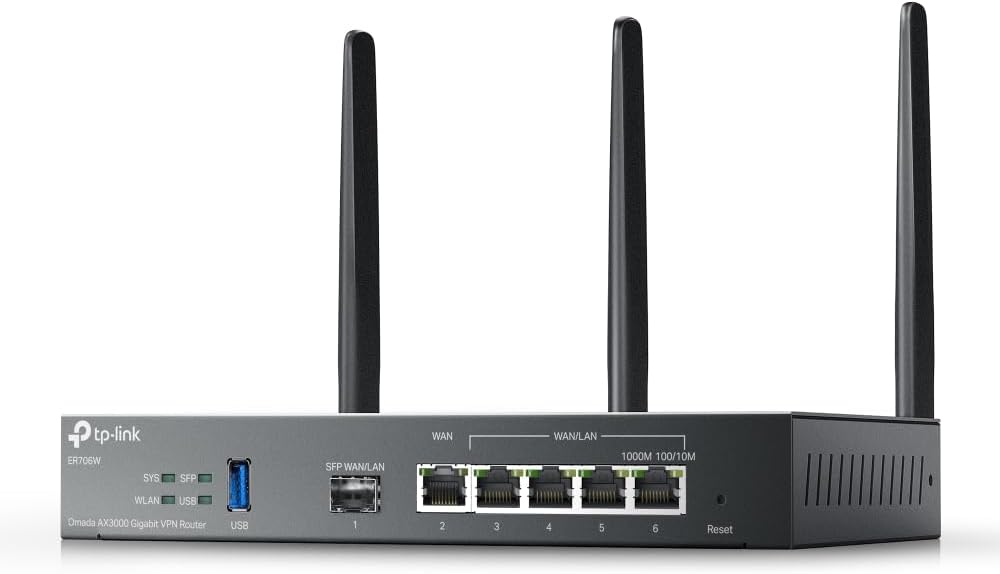
Omada ER706W Gigabit AX3000
4.1Editor score
SFP Slot Included
Load Balancing
Mesh Support
This guide compares the top 10 commercial wireless routers for small businesses and enterprises, highlighting security, speed, scalability, and management
Finding the right commercial wireless router is critical for business operations today. Reliable connectivity ensures smooth transactions, efficient communication, and satisfied customers in any professional setting.
We evaluated ten leading models based on throughput, security protocols, management tools, and scalability. Our analysis focuses on features that matter most to business owners and IT administrators.
Each pick highlights key strengths and ideal use cases for different business sizes. Please note that availability and specific configurations may vary by region and vendor partnerships.
4.1Editor score
4.2Editor score

4.6Editor score
This side-by-side comparison highlights the distinct strengths of each model to help you select the perfect fit for your network needs.




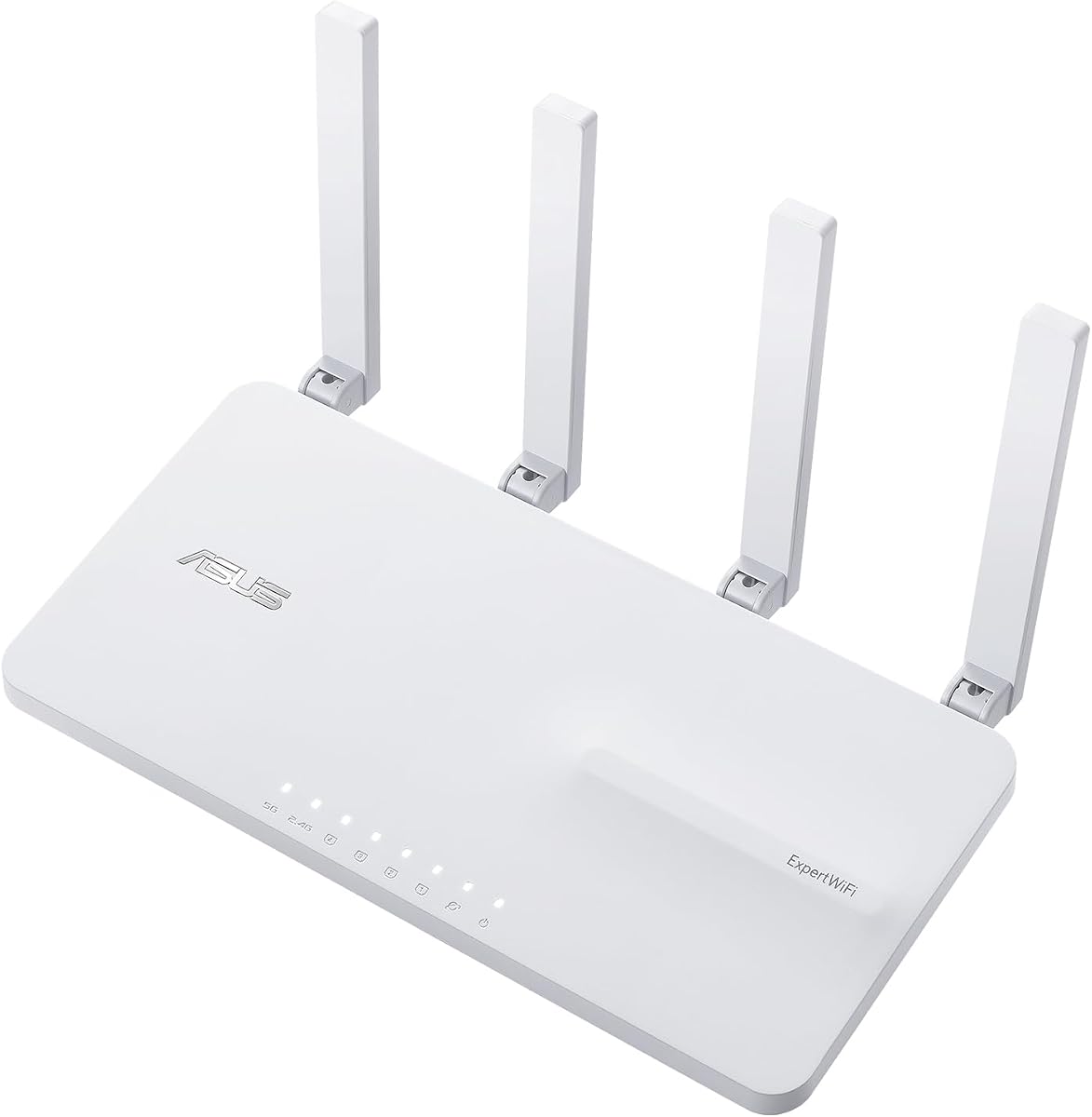
The ASUS ExpertWiFi EBR63 stands out as a robust business router designed for small to mid sized enterprises needing reliable connectivity and granular control.
We may earn a commission when you buy through this link, at no additional cost to you.
Its ability to create up to five SSIDs allows businesses to separate guest traffic from internal operations ensuring better security and performance prioritization.
While it lacks Wi-Fi 7 capabilities, the AX3000 standard provides ample speed for most commercial environments without the high cost of cutting-edge hardware.
For businesses needing a balance of advanced security, guest management, and ease of use, this router offers exceptional value and performance.
The customizable guest portal lets you tailor branding and login pages to match your business identity perfectly.
Free commercial-grade security ensures your internal network remains protected from external threats without extra subscription fees.
We may earn a commission when you buy through this link, at no additional cost to you.
The Omada ER706W offers essential business features at a competitive price point making it ideal for startups or small offices.
We may earn a commission when you buy through this link, at no additional cost to you.
With an SFP slot and load balancing across up to five WAN ports it provides flexibility for multi-line internet connections.
While it lacks some advanced customization features found in pricier models it excels in reliable connectivity and integration with Omada access points.
Budget-conscious businesses looking for solid VPN and mesh capabilities will find this model a practical and efficient choice.
Load balancing allows you to combine multiple internet lines for higher bandwidth and redundancy.
Seamlessly integrates with Omada access points for a unified network management experience across all devices.
We may earn a commission when you buy through this link, at no additional cost to you.
The Ruckus R750 is engineered specifically for environments with high device density such as conference centers or busy retail spaces.
We may earn a commission when you buy through this link, at no additional cost to you.
Its optimized antenna technology ensures stable connections even when hundreds of devices are trying to connect simultaneously.
While it requires a controller setup for full functionality the investment pays off in reliability and consistent performance.
Businesses prioritizing uptime and density over cost should consider this access point as a critical infrastructure component.
Specially designed to handle crowded networks without performance degradation or connection drops.
Built to meet enterprise standards ensuring your business operations never suffer from network issues.
We may earn a commission when you buy through this link, at no additional cost to you.
The Ruckus R670 brings cutting-edge Wi-Fi 7 technology to commercial settings requiring maximum throughput and advanced device support.
We may earn a commission when you buy through this link, at no additional cost to you.
BeamFlex+ antenna technology dynamically adjusts signal patterns to ensure optimal speed and coverage for every connected client.
Although expensive its ability to support future standards and high-bandwidth applications makes it a strategic long-term investment.
Large enterprises needing top-tier performance and convergence capabilities will appreciate the advanced features of this model.
BeamFlex+ ensures consistent high speeds by adapting signal patterns in real time.
Supports Matter and Thread allowing seamless integration of IoT devices into your main network.
We may earn a commission when you buy through this link, at no additional cost to you.
The NETGEAR Orbi 970 Series delivers unparalleled performance for large commercial campuses or multi-story buildings needing seamless coverage.
We may earn a commission when you buy through this link, at no additional cost to you.
With up to 27 Gbps speeds and 10 Gig ports it handles heavy data loads and future internet plans effortlessly.
While the price is significant the ease of setup and reliability make it a strong choice for businesses where network downtime is not an option.
For those needing whole-building coverage without complex cabling this mesh system sets the gold standard for performance and convenience.
A dedicated wireless lane keeps mesh links fast ensuring no slowdowns for connected devices.
10 Gig ports allow you to connect high-speed NAS or desktops directly for optimal performance.
We may earn a commission when you buy through this link, at no additional cost to you.
The Omada EAP650 is a sleek access point that blends into modern office decor while delivering reliable Wi-Fi 6 speeds.
We may earn a commission when you buy through this link, at no additional cost to you.
Its slim design saves space and mounting options ensure it can be installed virtually anywhere without clutter.
Although best used within the Omada ecosystem it offers excellent value with long warranty coverage and cloud management capabilities.
Businesses looking to expand Wi-Fi coverage in specific zones without high hardware costs will appreciate this efficient model.
Sleek looks ensure the hardware does not distract from the aesthetics of your professional space.
Supports multiple power options including PoE for flexible installation without needing nearby outlets.
We may earn a commission when you buy through this link, at no additional cost to you.
The Ubiquiti U6+ offers solid performance for businesses already invested in the Ubiquiti ecosystem for their networking needs.
We may earn a commission when you buy through this link, at no additional cost to you.
Its reliable data transfer rates ensure smooth operations for applications ranging from video conferencing to file sharing.
While setup requires familiarity with UniFi software the robust features justify the learning curve for many IT professionals.
Companies seeking stable and scalable Wi-Fi within an existing UniFi setup will find this model a seamless addition.
Works perfectly with other UniFi devices for a unified and manageable network experience.
Wall mountable form factor ensures a tidy installation suitable for professional environments.
We may earn a commission when you buy through this link, at no additional cost to you.
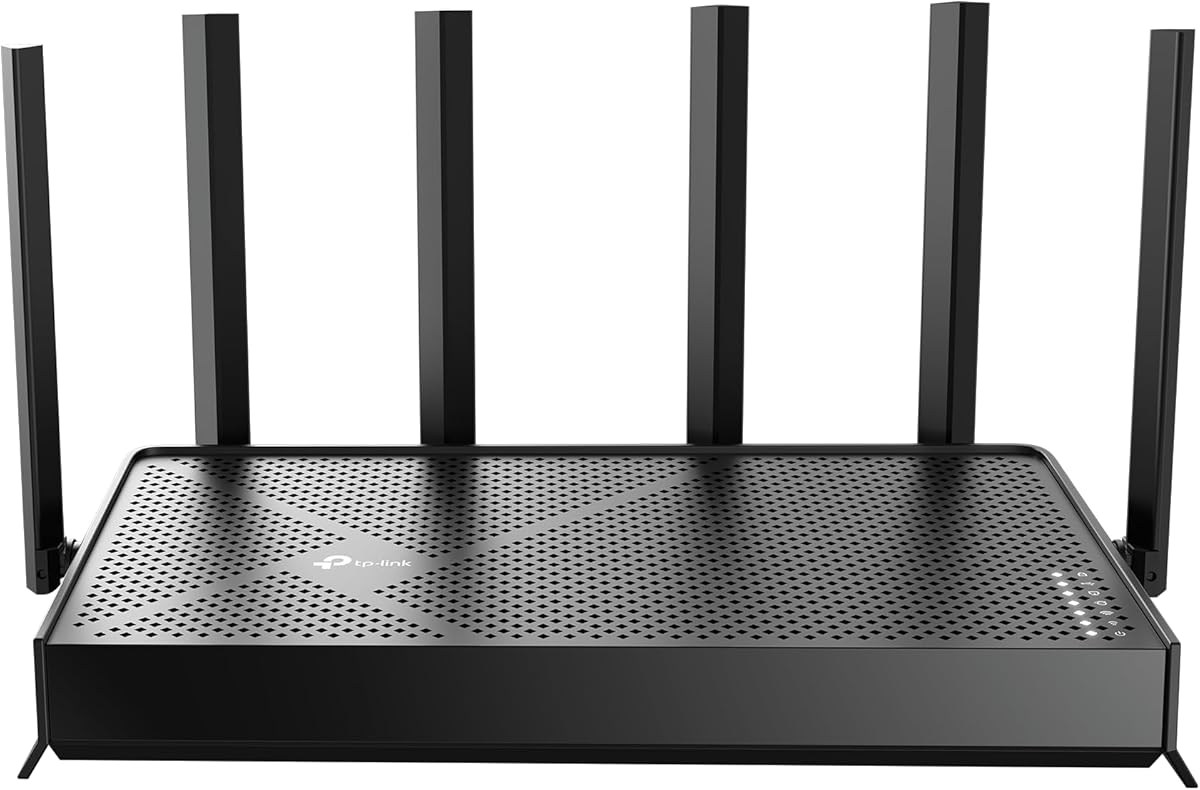
The TP-Link BE6500 introduces next-generation Wi-Fi 7 speeds to businesses seeking future-ready performance at a reasonable price.
We may earn a commission when you buy through this link, at no additional cost to you.
Multi-Link Operation improves stability and speed for devices supporting the latest wireless standards.
While it lacks triple-band options it still offers significant improvements over previous generations for high-speed applications.
Tech-focused businesses looking to adopt new standards early will find this router a compelling option for modernization.
Supports upcoming devices and standards ensuring your network stays ahead of the curve.
Built-in security features protect your network from common threats without extra costs.
We may earn a commission when you buy through this link, at no additional cost to you.
The NETGEAR Nighthawk offers a powerful single-unit solution for businesses needing high-speed Wi-Fi 7 without mesh complexity.
We may earn a commission when you buy through this link, at no additional cost to you.
With up to 9.3 Gbps speeds it supports bandwidth-heavy tasks like video production and large file transfers efficiently.
While coverage is good it may not match larger mesh systems for very large areas but remains ideal for standard office spaces.
Businesses needing a reliable high-performance router with minimal setup steps will find this model highly effective.
The Nighthawk app simplifies network management allowing quick changes from anywhere.
Multi-Gig ports ensure wired connections are as fast as the wireless network.
We may earn a commission when you buy through this link, at no additional cost to you.
The ASUS RT-BE88U is a powerhouse designed for businesses that demand maximum wired and wireless throughput capabilities.
We may earn a commission when you buy through this link, at no additional cost to you.
Its dual 10G ports allow for extensive network expansion and high-speed server connections without bottlenecks.
While it is a significant investment the flexibility it provides for growing networks ensures long-term scalability and reliability.
Tech enterprises needing top-tier wired performance alongside Wi-Fi 7 will find this model unmatched in versatility.
Dual 10G ports support extensive network growth and high-speed data needs.
SFP+ port enables direct fiber connections for ultimate flexibility and speed.
We may earn a commission when you buy through this link, at no additional cost to you.
Choosing the right router depends on your business size, number of users, and specific technical needs. Consider these factors carefully.
Commercial environments require high throughput to support multiple devices and data-heavy applications like video conferencing or cloud backups. Look for routers with AX3000 or Wi-Fi 7 standards to ensure your network can handle peak usage without lag.
Prioritize models offering multi-gigabit WAN ports to fully utilize high-speed internet plans.
Businesses are frequent targets of cyber threats, so robust security features are non-negotiable. Ensure the router supports WPA3 encryption, includes firewalls, and offers optional intrusion detection services to protect sensitive data.
Routers with built-in security suites reduce the need for additional third-party hardware.
Separating guest traffic from internal business operations is vital for security. Look for routers that allow multiple SSIDs and customizable guest portals to maintain a professional experience for visitors.
Advanced guest features like splash pages and bandwidth limits enhance user management.
As your business grows, your network should grow with it. Consider routers that support mesh systems or have expandable access points to cover larger areas without performance drops.
Scalable solutions prevent costly hardware replacements as you expand physical space.
Remote work is standard now, so strong VPN support is essential. Ensure the router can handle secure remote access and site-to-site connections to keep remote employees connected safely.
Built-in VPN support simplifies network architecture and reduces reliance on external devices.
Ease of management saves IT staff time and reduces configuration errors. Cloud-based apps or intuitive web interfaces allow you to monitor and adjust settings quickly without being on-site.
Choose routers with user-friendly dashboards for efficient daily maintenance.
Physical connectivity matters for wired devices like desktops or printers. Ensure you have enough Gigabit and multi-gigabit ports to connect essential hardware without needing extra switches.
High-speed ports ensure your wired devices don't bottleneck the wireless network.
Business uptime is critical, so reliable support and warranties are necessary. Look for models offering multi-year warranties and accessible technical support to resolve issues quickly.
Strong support ensures minimal disruption to your business operations.
Install your router in a central, elevated location away from obstructions or electronic interference to maximize coverage across your office. Ensure ventilation is adequate to prevent overheating during long operating hours.
Regularly update your router firmware to patch security vulnerabilities and improve performance. Most modern devices support automatic updates which you should enable for continuous protection.
Periodically review connected device logs to remove unknown devices and manage bandwidth usage. Adjusting quality of service settings can help prioritize critical business traffic during busy hours.
Commercial routers typically offer better multi-device handling, stronger security features, and management tools like guest portals. They are built to sustain longer uptime and handle higher traffic loads than consumer models.
Yes, business routers handle multiple simultaneous connections efficiently. Home routers may slow down when dozens of devices connect. A commercial router ensures consistent speeds for all users in a large office.
They offer future-proofing and faster speeds but might be overkill for very small setups. If you have high bandwidth needs or many devices, the investment helps avoid upgrades soon. Otherwise, Wi-Fi 6 models may suffice.
Many commercial routers include built-in VPN capabilities that allow secure remote access. This ensures your team can connect to internal systems safely from outside the office without extra hardware.
SSID separation allows you to create multiple network names on one router. This separates guest traffic from staff networks, improving security and performance by preventing interference between different user groups.
If your office has multiple floors or thick walls that block signal, a mesh system helps extend coverage evenly. Single routers work for open spaces, but mesh solves dead zones in complex layouts.
Power over Ethernet simplifies installation by delivering power and data through one cable. This reduces the need for separate power outlets, making it easier to mount access points on ceilings or high walls.
Typically every three to five years depending on usage. Technology evolves quickly, so newer standards like Wi-Fi 7 offer better performance. If you notice frequent drops or slow speeds, consider upgrading.
We reviewed ten top models including the ASUS ExpertWiFi EBR63 for overall value and the NETGEAR Orbi 970 for premium performance. Each offers unique strengths depending on your specific business needs and budget.
Prioritize security, scalability, and ease of management when selecting a router. Ensure it can handle your current device load and supports future growth without major replacements.
Prices and availability can vary, so check current listings before purchasing. Investing in the right commercial router today ensures reliable connectivity and peace of mind for your business.