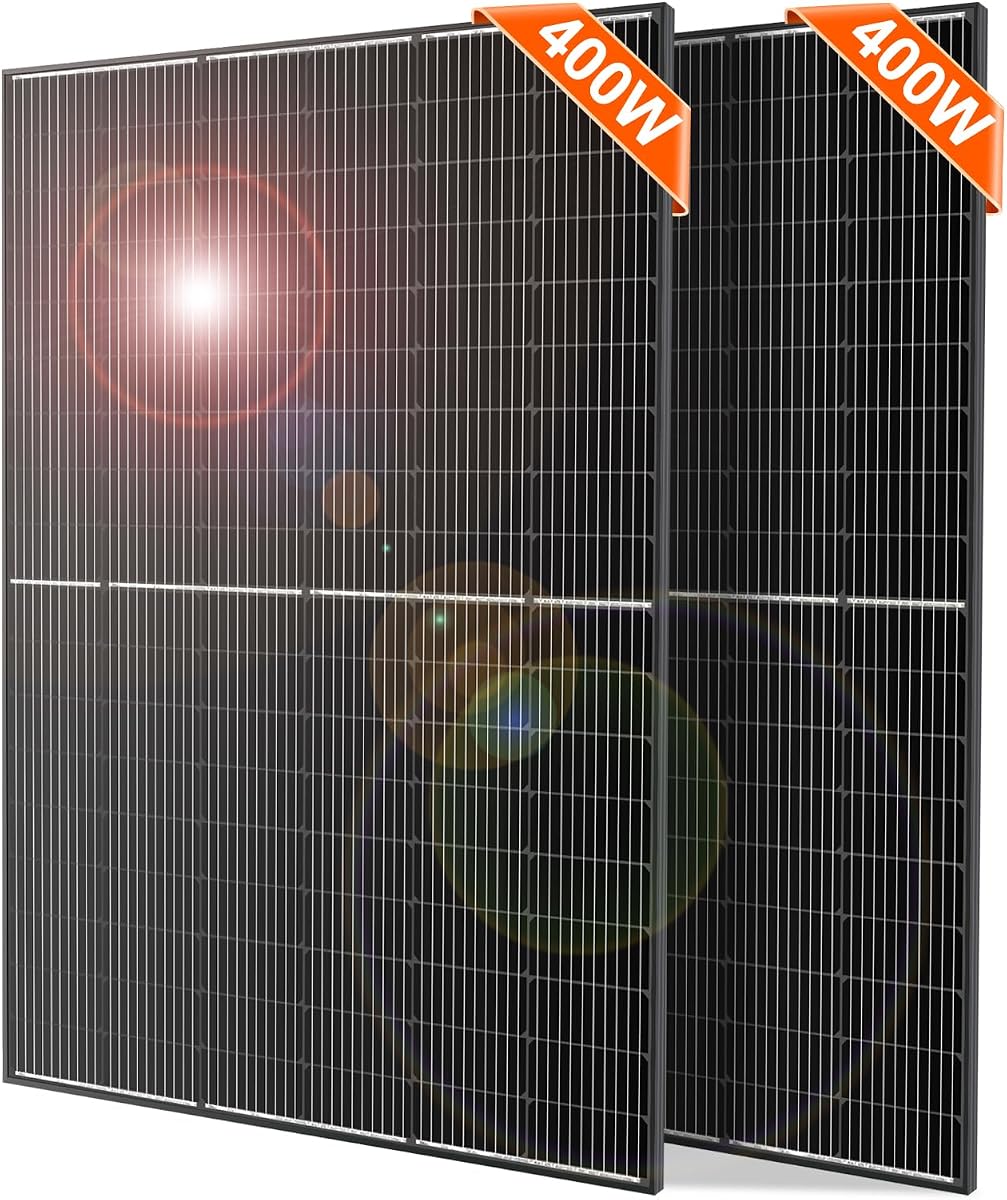
This guide compares the top 800W solar panel kits for off-grid power, RVs, and boats, evaluating efficiency, durability, and installation ease for 2026.
As an Amazon Associate we earn from qualifying purchases. We may earn a commission when you buy through links on this page, at no additional cost to you. Read our affiliate disclosure.As an Amazon Associate we earn from qualifying purchases.Purchases through our links may earn us a commission, at no extra cost to you. Read our affiliate disclosure.
Finding the right 800W solar panel setup can transform your off-grid capabilities. Whether you power an RV, boat, or home system, high wattage ensures reliable energy. Quality construction and efficiency matter most for long-term performance in harsh conditions.
We evaluated ten leading 800W solar panel kits based on real-world data and specifications. Our analysis covers bifacial technology, flexible options, and rigid frames. Each product offers unique advantages for different installation needs and budget considerations.
Each pick highlights key strengths and potential trade-offs for your specific setup. Prices and availability change frequently so verify details before purchasing. This guide helps you choose the best 800W solar panel for your energy goals without confusion.
Top 3 Picks for Best 800W Solar Panel
Best Budget
800 Watt Solar Panel Kit, 2 × 400 Watt Flexible Solar Power Panel Photovoltaic Module with 40A Solar Charge Controller Monocrystalline Solar Panel for Camping Off Grid Battery Charging Boat
EPOCH 860W Bifacial Solar Panels,N-Type Class A 12/24 Volt Monocrystalline Solar Panel, High-Efficiency Waterproof Solar Module for RV Camping, Boat, Marine,Off-Grid[430w×2pcs]
The following table presents a side-by-side comparison of the top ten 800W solar panel options available today. We highlight key specifications including efficiency ratings, mounting types, and warranty terms to help you make an informed decision for your power needs.
The Renogy Bifacial Solar Panel 800W kit stands out for its advanced cell technology. With a 4.3-star rating, it promises significant energy gains through bifacial design. This means both sides of the panel contribute to power generation.
Pros
Captures reflected light
High efficiency rating
Better low-light performance
Dual-module design
Cleaner setup
Cons
Higher initial cost
Requires reflective surface
We may earn a commission when you buy through this link, at no additional cost to you.
Key strengths include N-Type 16BB cells offering 25% efficiency. This reduces the number of panels needed for your total wattage. The dual-module design helps mitigate shade impacts, ensuring more consistent daily output even with partial obstructions.
Trade-offs involve a higher price point compared to standard monocrystalline options. You also benefit most in reflective environments like snow or light roofs. However, the potential 30% tax credit helps offset these costs over time.
Buyers seeking maximum efficiency and space-saving designs will appreciate this choice. It suits homes, RVs, or off-grid systems where every watt counts. The robust build quality and advanced cell tech make it a top recommendation for serious users.
Bifacial Energy Boost
Capturing light from both sides increases total harvest by up to 30% in reflective settings like snow or white gravel.
Partial Shade Resilience
Two independent power zones allow one section to keep generating power even if leaves or vents cover the other.
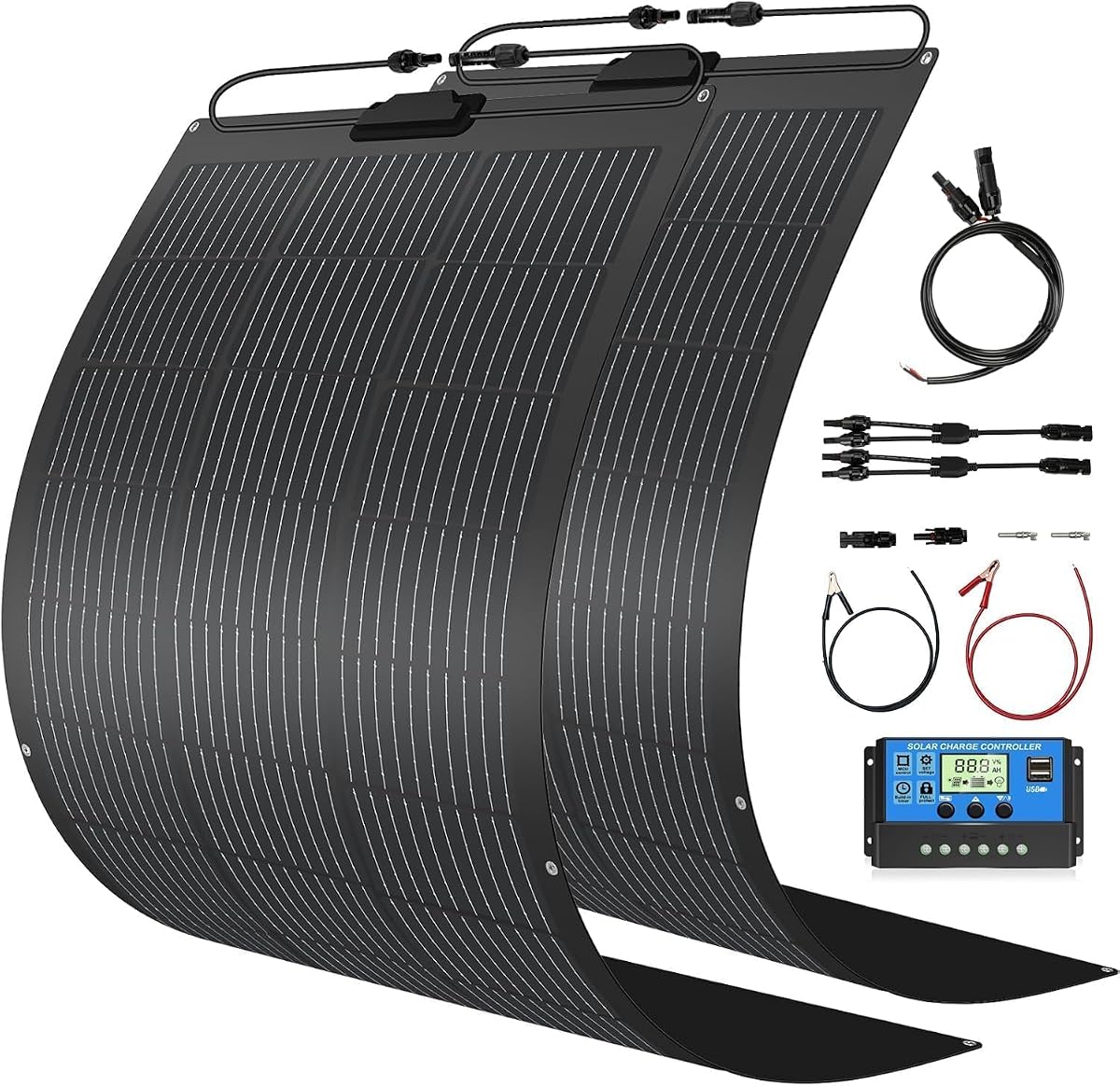
800 Watt Solar Panel Kit, 2 × 400 Watt Flexible Solar Power Panel
Monocrystalline silicon
Flexible design
40A charge controller
Sealed junction box
This flexible 800W solar panel kit offers a budget-friendly entry into off-grid power. It lacks specific user ratings in the data but focuses on practical installation. The kit includes a 40A charge controller for complete system readiness.
Pros
Affordable price point
Conforms to curved surfaces
Includes charge controller
Easy installation
Waterproof features
Cons
Lower efficiency ratings
No specific warranty details
We may earn a commission when you buy through this link, at no additional cost to you.
The flexible panels are ideal for curved surfaces on boats or RVs where rigid panels won't fit. High-efficiency monocrystalline silicon cells ensure decent performance even in lower light conditions. The sealed junction box protects against moisture damage.
Cons include a lack of detailed warranty information compared to premium brands. Efficiency is standard but may not match high-end N-Type cells. However, for users needing immediate power on irregular surfaces, this value is hard to beat.
Choose this kit if you need a complete setup quickly without breaking the bank. It works well for temporary camping or budget marine projects. Always verify the controller compatibility with your battery chemistry before connecting.
Curved Surface Compatibility
The flexible design adheres to irregular surfaces like boat hulls or RV roofs without needing complex mounting frames.
Complete System Ready
Includes a 40A charge controller to manage power flow and protect batteries immediately upon setup.
The EPOCH 860W bifacial kit earns its premium spot with top-tier materials and a 4.5 rating. It uses Class A+ 16BB cells for exceptional energy conversion. The 25-year linear power output warranty provides long-term peace of mind for buyers.
Pros
Highest rating
Premium cell quality
Strong warranty coverage
High water resistance
Bifacial benefits
Cons
Premium price tag
Specific voltage compatibility
We may earn a commission when you buy through this link, at no additional cost to you.
Its 25% conversion rate ensures you get more power from the same space. High transparency allows better light transmission to the cells. The IP68 junction box and IP67 connectors protect against harsh marine environments effectively.
The main trade-off is the higher upfront investment compared to basic kits. It requires specific 12V/24V configurations which might limit some users. However, the durability and performance justify the cost for serious off-grid enthusiasts.
Invest in this set for marine or long-term RV use where reliability is non-negotiable. The bifacial technology offers a real advantage in open environments. Its robust construction handles hail and heavy snow loads well.
Superior Cell Quality
Class A+ cells with 16BB design ensure minimal microcracks and consistent long-term power output.
Weather Resilience
Designed to withstand hail, 5400 Pa snow loads, and high wind loads up to 2400 Pa.
DOKIO offers a straightforward 800W setup ideal for standard 12V systems. The panels are rated at 31V and work well with common battery types. Their 4.1 rating reflects solid performance in typical backyard installations.
Pros
Safe voltage default
Fewer connection points
Year-round durability
Long leads included
AgM/Gel compatible
Cons
Basic design features
Requires own controller
We may earn a commission when you buy through this link, at no additional cost to you.
A key advantage is the default parallel wiring which keeps voltage safer for simple systems. The long 3-meter MC4 leads reduce the need for immediate extensions. This results in fewer failure points compared to smaller multi-panel arrays.
The panels are built for outdoor readiness with tempered glass and aluminum frames. However, they do not include a controller so you must source one separately. Users must ensure their inverter handles the total current load.
Select this option for reliable, standard performance without complex requirements. It suits homeowners looking to expand their existing 12V banks efficiently. Check the delivery condition as per manufacturer advice before finalizing installation.
Simplified Wiring
Fewer joints and splitters needed compared to eight 100W panels, leading to a cleaner array setup.
Outdoor Readiness
Sealed junction boxes and robust framing support year-round use in various weather conditions.
This kit features ETFE semi-flexible panels that are incredibly lightweight at 4.4 pounds each. It holds a perfect 5.0 rating for user satisfaction regarding ease of use. The panels bend up to 30 degrees for seamless roof integration.
Pros
Lightweight design
No drilling needed
High light transmission
Salt spray corrosion-proof
Perfect for RVs
Cons
Slightly higher cost
Limited bending radius
We may earn a commission when you buy through this link, at no additional cost to you.
ETFE coating offers 10x better light transmission than standard PET panels. This ensures maximum energy harvest even with thin materials. The pre-drilled holes allow for adhesive installation without stressing the RV roof structure.
While it costs more than glass options, the weight savings justify the expense for mobile setups. It is corrosion-proof for marine environments too. Ensure your controller matches the 12V/24V requirements for optimal charging.
Ideal for RV travelers needing robust yet light power solutions. It protects against roof stress and simplifies setup significantly. Consider this if you prioritize weight reduction and durability on the move.
Zero Stress Installation
Adhesive mounting eliminates drilling needs, reducing roof leak risks and setup time to just fifteen minutes.
Superior ETFE Coating
The ETFE layer provides superior UV resistance and light transmission for long-term panel longevity.
This portable kit offers 800W total power with Sunpower cells for high efficiency. Weighing 20 pounds, it is compact enough for easy transport. It is perfect for camping trips needing reliable charging without permanent mounts.
Pros
Easy transport
High efficiency cells
Adjustable angles
Compact storage
Quick setup
Cons
Heavy for hiking
Higher price for portable
We may earn a commission when you buy through this link, at no additional cost to you.
The foldable design includes adjustable kickstands for optimal sunlight capture at multiple angles. IP67 waterproofing ensures durability during rain or rough terrain. The kickstands allow simple spreading like a blanket for immediate use.
Despite the weight, it is lighter than rigid alternatives requiring complex frames. The higher cost reflects its portability features. It suits campers needing a quick power boost without permanent installation efforts.
Buyers needing flexibility for road trips or temporary sites should choose this. It balances high output with ease of storage. Ensure you have enough space to fully deploy the kickstands for best performance.
Smart Sunlight Alignment
Kickstands allow adjusting angles from 30 to 80 degrees to match the sun's position throughout the day.
Sunpower Efficiency
23% efficiency cells capture more sunlight quickly, shortening charging times for your batteries and devices.
800 Watt Solar Panel Kit with High Efficiency Monocrystalline
10BB cells
25% efficiency
N-type technology
30a MPPT controller
This kit claims high efficiency using N-type monocrystalline cells. It includes a 30A MPPT charge controller for ready-to-use functionality. However, it currently holds a low rating reflecting potential quality issues.
Pros
Includes MPPT controller
High efficiency claims
Pre-drilled holes
Multi-functional
Cons
Low user rating
Unverified efficiency stats
We may earn a commission when you buy through this link, at no additional cost to you.
The manufacturer emphasizes 25% efficiency and upgraded materials. Pre-drilled installation holes allow seamless mounting on various surfaces. It targets residential or outdoor camping applications directly.
The trade-off is reliability uncertainty due to poor user feedback. Efficiency claims may vary with sunlight conditions. Ensure thorough testing upon arrival to confirm performance matches specifications.
If budget is key and you can verify quality, it offers a complete solution. The included controller adds value. Check warranty support availability before purchase for peace of mind.
Integrated Controller
The 30A MPPT controller manages power flow efficiently, maximizing battery charging for 12V systems.
Newer Cell Tech
N-type technology aims for better low-light performance and reduced power loss compared to standard cells.
This panel set features 16BB N-Type cells for optimized low-light response. It scores 4.4 stars for stable daily output. The advanced cell design minimizes recombination losses for better efficiency.
Pros
Better morning output
Low recombination losses
Durable frame
Quick installation
High weather ratings
Cons
Short cable lengths
Needs specific mounts
We may earn a commission when you buy through this link, at no additional cost to you.
Tempered glass and corrosion-resistant aluminum frame ensure outdoor durability. IP68 connectors protect against harsh elements. Pre-drilled holes simplify mounting with standard brackets for versatile placement.
The cables are relatively short requiring extra planning for long runs. However, the performance consistency is a major advantage. The panels handle wind and snow loads effectively.
Ideal for regions with frequent cloudy mornings or variable light. The reliability justifies the choice for long-term setups. Ensure proper grounding during installation for maximum safety.
Optimized Cell Design
Half-cell technology reduces internal power loss allowing more reliable output during low-light periods.
Robust Weather Rating
Rated for 2400Pa wind and 5400Pa snow loads to protect your investment against extreme weather events.
This flexible kit focuses on practical use for boats and irregular surfaces. It includes a 40A controller for complete off-grid charging. The water-resistant design surpasses traditional glass models in durability.
Pros
Good for curved surfaces
High durability
Included controller
Easy attachment holes
Cons
Lacks specific data
Price varies
We may earn a commission when you buy through this link, at no additional cost to you.
Monocrystalline cells provide decent performance in varied conditions. The sealed junction box ensures safety against moisture ingress. Grommet holes offer flexible fastening options for secure attachment.
Trade-offs include limited specific performance data in the listing. It serves as a supplement where city power is unavailable. Always secure connections properly to prevent vibration damage.
Choose for temporary marine setups or budget off-grid needs. It fills power gaps effectively without complex rigging. Regular maintenance checks ensure longevity in saltwater environments.
Flexible Installation
Adhesive or silicone mounting allows fitting panels on curved boat hulls without drilling holes.
Waterproof Design
Sealed junction boxes and water resistance ensure safe operation in rainy or humid marine conditions.
This portable 800W panel offers high efficiency for mobile energy needs. The foldable design simplifies transport and storage. It captures sunlight quickly due to its 23% efficiency rating.
Pros
Portable solution
High efficiency cells
Waterproof rating
Adjustable angles
Simple use
Cons
Storage required
Setup time
We may earn a commission when you buy through this link, at no additional cost to you.
At 20 pounds it is manageable for RV users. Kickstands allow precise angle adjustments for optimal power throughout the day. Waterproofing ensures safety during unexpected weather changes.
The main limitation is the storage space needed when packed. It works best for setups where permanent mounting is not feasible. Regular cleaning maintains peak performance levels.
Select this for frequent campers or those needing backup power. Its reliability and ease of use stand out. Verify compatibility with your power station before deployment.
Efficient Capture
High-efficiency cells convert more sunlight into electricity reducing charging time for your portable batteries.
Adjustable Orientation
Kickstands allow precise positioning to track the sun across seasons or times of day for maximum harvest.
We may earn a commission when you buy through this link, at no additional cost to you.
Buying Guide – How to Choose the Best 800W Solar Panel
Choosing the right 800W solar panel involves balancing efficiency, durability, and installation needs. This guide outlines key factors to consider for your off-grid or RV setup.
Solar Cell Efficiency
Efficiency measures how much sunlight converts to usable power. Look for panels with 23% or higher efficiency ratings to maximize output in limited space. High-efficiency cells often use advanced N-Type or bifacial technology.
Prioritize high-efficiency panels if roof space is restricted.
Flexibility vs Rigidity
Flexible panels conform to curved surfaces like RV roofs or boat decks. Rigid panels offer better durability and heat dissipation. Select based on your mounting surface shape and weight constraints.
Use flexible panels for irregular surfaces to reduce mounting stress.
Voltage Compatibility
Ensure your panel voltage matches your battery bank system. Most kits support 12V/24V configurations. Parallel wiring keeps voltage safe while series increases voltage for larger inverters.
Verify voltage requirements before connecting to your charge controller.
Durability and Materials
Look for tempered glass, aluminum frames, and IP68 rated connectors. These materials resist hail, wind loads, and moisture. ETFE coatings offer better light transmission and UV resistance.
Choose durable materials for year-round outdoor installations.
Warranty Coverage
Quality panels often come with 25-year output warranties. Check for limited material warranties too. Longer coverage protects your investment against premature degradation.
Ensure warranty terms meet your long-term usage plans.
Included Components
Some kits include charge controllers and adapters while others do not. A complete kit saves money and installation time. Verify compatibility of included controllers with your battery type.
Opt for complete kits if you lack separate controllers.
Environmental Conditions
Consider your local climate when selecting panels. Bifacial panels work best with reflective surfaces like snow. Standard panels suit cloudy regions with consistent daily output.
Match panel type to typical weather patterns for best harvest.
Budget Considerations
Prices vary significantly based on cell tech and brand. Budget options may lack extended warranties or advanced cells. Balance cost with performance needs to avoid overspending or underperforming.
Invest in quality components for reliable long-term power.
How to Use and Care for Your 800W Solar Panel
Install panels in areas with maximum sun exposure and minimal shading. Secure them firmly using appropriate brackets to withstand wind. Connect wiring to your charge controller following manufacturer polarity guides.
Regularly clean the surface with water to remove dust or debris. Use a soft cloth to prevent scratching the glass or coating. Inspect connections periodically for signs of corrosion or looseness.
Monitor system performance to ensure consistent energy generation. Check battery levels regularly and adjust controller settings as needed. Store portable kits in a dry place during extreme weather.
Frequently Asked Questions
What is the main difference between bifacial and monofacial solar panels?
Bifacial panels capture sunlight from both sides using reflective light from the ground or surface. Monofacial panels only use light hitting the front surface. Bifacial panels often yield higher output in reflective environments.
Do I need a charge controller with an 800W solar panel?
Yes, a charge controller is essential to manage power flow to your batteries. Without one overcharging can damage your battery bank. MPPT controllers are recommended for higher efficiency.
How do I determine if a panel kit is compatible with my battery system?
Check the panel voltage output against your battery bank voltage. Match the charge controller type to your battery chemistry like Lithium or Lead Acid. Consult the manufacturer specs for compatibility details.
Are flexible solar panels durable enough for marine environments?
High-quality flexible panels with ETFE coatings are salt spray resistant. However, regular inspection ensures no damage to edges. They work well for curved boat surfaces but avoid harsh abrasion.
What causes efficiency drops in solar panels over time?
Efficiency drops can result from dirt accumulation, shading, or cell degradation. UV exposure and thermal stress also impact long-term performance. Regular cleaning and shade-free placement maintain peak output.
Can I connect two 400W panels in series for an 800W kit?
You can connect them in series if your controller supports the higher voltage. Ensure the total voltage remains within your system limits. Parallel connection keeps voltage lower and current higher.
Why are some panels more expensive than others for similar wattage?
Higher-priced panels often use advanced cells like N-Type or bifacial tech. They may include better warranties, higher durability ratings, or certified safety features. Quality materials justify the cost.
How long does it take to charge a battery with an 800W panel?
Charging time depends on battery capacity and available sunlight. A 100Ah battery might charge in a few hours of peak sun. Always check the charge rate for your controller to estimate times.
Final Thoughts on Choosing the Best 800W Solar Panel
Choosing the right 800W solar panel depends on your specific energy needs and budget. Options like the Renogy Bifacial set offer high efficiency while flexible kits suit curved surfaces. Prioritize durability and warranty coverage.
For off-grid reliability, consider systems with included controllers and high-efficiency cells. Flexible or rigid choices should match your mounting surface. Always verify compatibility with your battery chemistry.
Prices and availability vary so review current listings before purchasing. Ensure you have all necessary accessories for installation. With the right setup you can enjoy consistent off-grid power for years.
This guide compares the top display easel binders for presentations and trade shows, evaluating capacity, durability, and ease of use for professionals.